The Tiger and the Snake

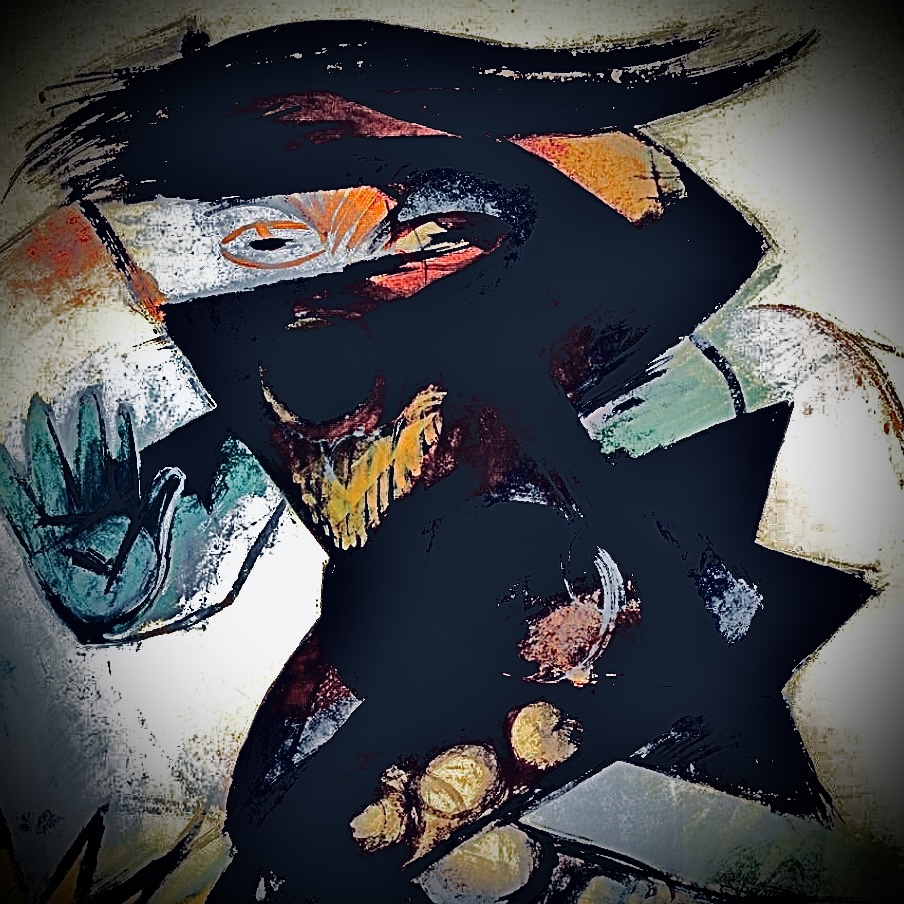
Where death’s cruel embrace lingers and the legacy is but ashes, a father decaying in the clutches of addiction unravels a tale of relentless obsession and shadows that whisper chilling lullabies, begging for the sleep that eludes them. In the dimly lit room, the emaciated figure of Samuel Holloway hunched over a weathered table, his trembling hands meticulously preparing the syringe like a maestro tuning an instrument. The air hung heavy with the acrid scent of desperation, mingling with the remnants of a life that had slipped through the cracks. The flickering light cast elongated shadows, painting the walls with a distorted reflection of Samuel’s shattered existence.

The walls, adorned with canvases that once bore witness to the strokes of an inspired artist, now stared back as silent witnesses to the erosion of dreams. Samuel’s weary eyes, once ablaze with the fire of creativity, now reflected a vacant gaze, haunted by the specter of his own undoing. As the needle pierced his skin, a cruel dance commenced—the ritualistic communion between man and addiction. The initial sting yielded to a numb euphoria, a transient escape from the relentless whispers that echoed in the recesses of his fractured mind. Outside the small, dim room, the world moved on, oblivious to the private tragedy unfolding within.

Each drop of the toxic elixir marked the descent into shadows, the descent into a realm where reality blurred and nightmares took on a tangible form. The room itself seemed to exhale a sigh of resignation, surrendering to the inevitability of another night swallowed by the voracious cravings that consumed Samuel Holloway. As the drug coursed through his veins, Samuel’s thoughts spiraled into a kaleidoscope of fragmented memories—a life once vibrant, now reduced to fragments floating in the abyss. The chilling lullabies whispered by the shadows became a haunting backdrop to his unraveling consciousness, a dissonant melody echoing the tragic symphony of a soul adrift in the inexorable current of addiction.

In the hazy cocoon of intoxication, Samuel’s mind stumbled through the corridors of memory, each step accompanied by the echoes of laughter that once resonated in a home now hollowed by his choices. The spectral presence of regret clung to him like a shroud, tightening with each passing thought. In the next room, his children slept, oblivious to the darkness that gripped their father’s heart. As the drug-induced haze intensified, so did the tendrils of remorse that coiled around Samuel’s consciousness. Faces of innocence, his children’s faces, flashed before his mind’s eye—smiles that once illuminated his world, eyes that mirrored a trust he had betrayed. The weight of their dreams, now dormant in the innocence of sleep, bore down on him, each one a reproachful whisper against the backdrop of his unraveling sanity.

In the silence of the night, he could almost hear their rhythmic breaths, a reminder of the fragile beauty he endangered with every plunge into the abyss. The flickering shadows on the wall seemed to take shape, morphing into phantoms that mirrored the ghosts of his own remorse. Samuel’s trembling hands paused, the syringe dangling between fingers that once cradled a child’s laughter. His gaze fixed on the closed door of the room where his children lay, the flicker of humanity in him fought against the numbing tide of addiction. A tear, unbidden and heavy with the weight of remorse, traced a solitary path down his hollowed cheeks. The chilling lullabies whispered not only of shadows but also of the fractured promises and shattered aspirations that now haunted the corridors of his soul.

In the quiet desperation of that moment, Samuel Holloway, a father lost to the clutches of his own demons, grappled with the realization that the legacy he was crafting was one of profound regret—a legacy that would linger long after the shadows had claimed him. As the tear slipped from the edge of Samuel’s cheek, the room seemed to exhale a final, mournful sigh. Time hung suspended, a delicate balance between the man he once was and the wraith he had become. The shadows, once mere spectators to his descent, now gathered like silent witnesses to the fading ember of his existence.

The drug, a bittersweet elixir, continued its macabre dance through his veins, an accomplice to the unraveling of his mortal coil. In the stillness, the light in Samuel’s eyes began to wane, a gradual dimming that mirrored the twilight of a day surrendering to the night. His gaze, once ablaze with dreams, now flickered like a dying candle, and the room absorbed the last vestiges of the warmth that had been Samuel Holloway. The lullabies whispered their final verses, the shadows closing in to claim what remained of his tortured soul. In the adjacent room, his children stirred in the innocence of sleep, their dreams untouched by the tragedy transpiring just beyond the closed door.

As the final breath escaped Samuel’s lips, the room embraced a haunting stillness. The legacy he left behind was etched in the silence—a legacy of shattered dreams, unredeemed promises, and the bitter taste of regret. The canvases on the walls bore witness to a life that had once painted landscapes of hope but had succumbed to the relentless pull of shadows. In the quiet aftermath, the shadows lingered, casting their long, phantom fingers across the tableau of a man who had, in the end, become a ghost within his own story.

Land of Nod

Beneath the boughs of twisted trees, a saga unfurls,
A tapestry of shadows, where the heart swirls.
Families entwined in a web of deceit,
In a realm where redemption and darkness meet.

Silent whispers echo through the night,
Secrets veiled in the pale moonlight.
Brothers bound by a covenant strained,
In the dance of shadows, truth is gained.

Fields of discontent, sown with regret,
A legacy of choices, hard to forget.
Where the river of time flows dark and deep,
In the heart’s recesses, secrets keep.

Betrayal’s silhouette, a phantom in the mist,
Haunted echoes of the clenched fist.
In the cryptic language of the unspoken,
A tale unfolds, in shadows unbroken.

A Burden, A Lament

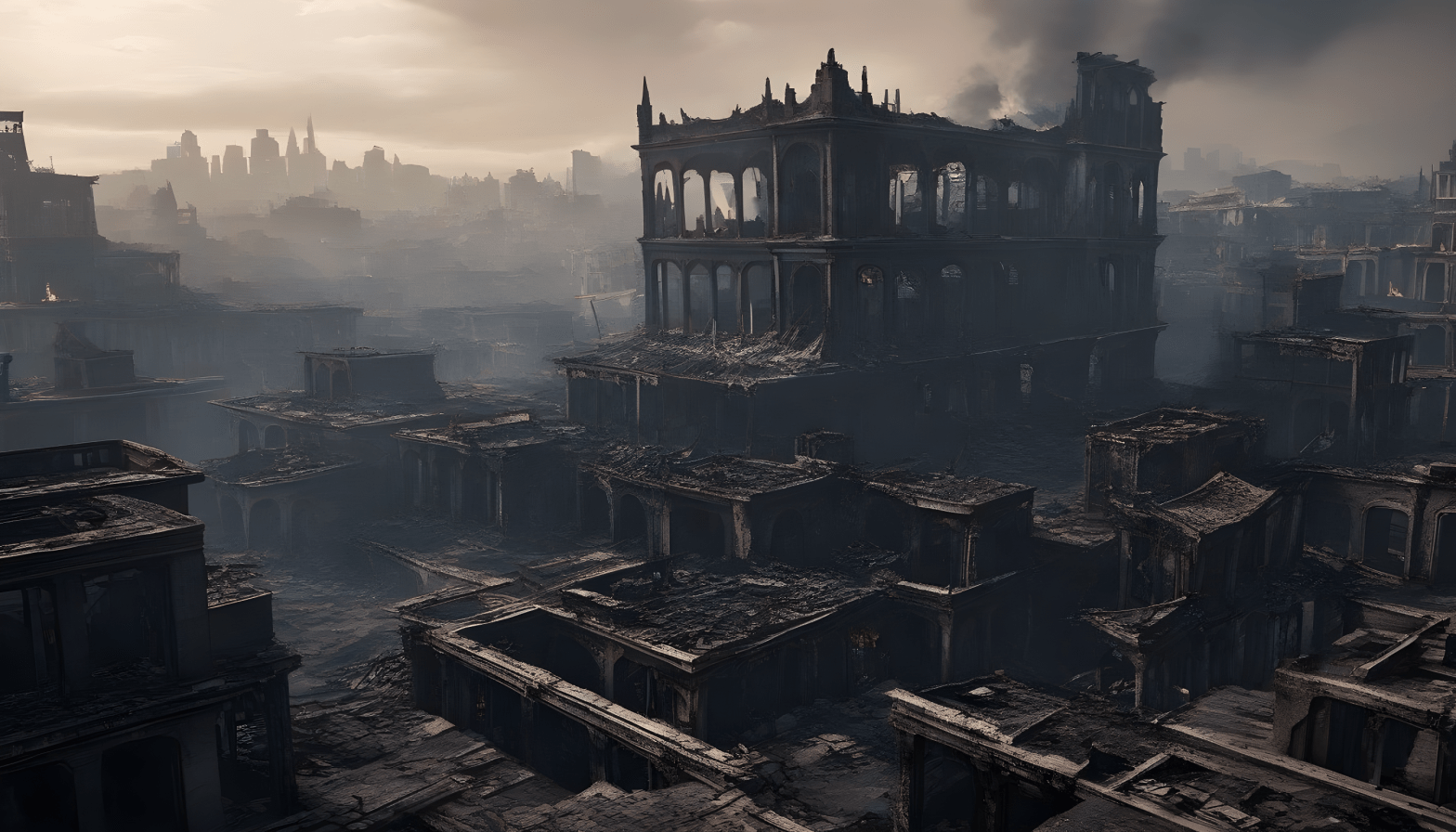
In the scorched city, death’s cruel scorn,
Ashen remnants, a legacy born.
A decaying father, addiction’s kin,
His life in flames, consumed within.

Chased away by fixations dark,
A walking corpse, a soul marked.
Creation turned to hunger’s throes,
No end in sight, the obsession grows.

Legs move forward, a relentless stride,
Addictions itch, at his throat, reside.
Knee-deep in the ash he seeks,
A tale of despair, where darkness speaks.

Buried deep, the tomb breathes slow,
Hands rise, from the grave, they go.
Begging for sleep, in shadows cold,
A tragic saga, the father’s hold.

Cradled Verses

In quiet hush, a muse calls my name,
Words dance in my mind, a literary game.
Yet, nestled in warmth, a sickly embrace,
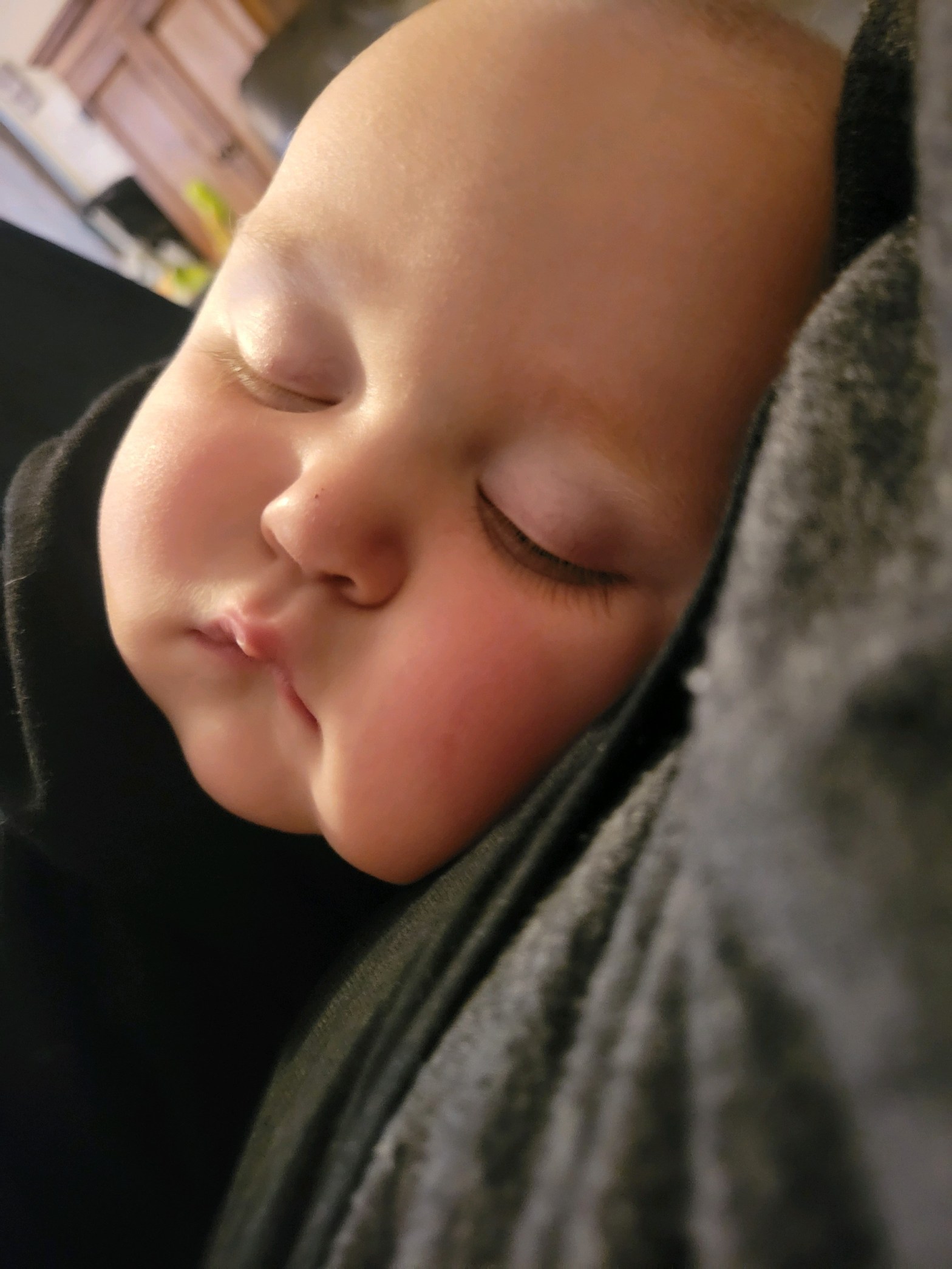
A sleeping baby, a tender, sweet space.

The keyboard whispers, a silent plea,
As tiny breaths weave a lullaby for me.
Desires to write, an unwritten tale,
But cradled in stillness, we softly prevail.

In the dance of dreams, my words find rest,
A symphony of silence, a cozy nest.
The ink may wait, as moments unfold,
For now, in quiet, love’s story is told.

The Assault

In the dimly lit room, where beer bottles and band magazines were scattered like forgotten relics, a wet crack shattered the early morning peace. Taylor’s eyes snapped open as an unexpected wave of pain seared across his face, leaving him disoriented and in agony. He could feel the warm stickiness of blood on his hand as he reached for his face, and the realization that he had been attacked in his own bed sent a surge of adrenaline coursing through his veins.

His attacker, a shadowy figure, fumbled in the darkness as they desperately tried to escape the scene. Taylor, still shirtless and with his face matted with blood, reached for his pants in a daze. He was determined to give chase, to confront the mysterious intruder and make sense of this sudden and violent awakening.

Barefoot and still bleeding, he navigated the cluttered bedroom, moving towards the bedroom door. The pain in his face was a constant reminder of the attack. He heard the kitchen door slam shut as his assailant fled, and his determination only grew stronger. He knew he had to catch them before they disappeared into the night, leaving him with unanswered questions.

Through the open door, Taylor burst into the early morning, his heart pounding, as he saw an old pickup truck roaring to life on the street. The headlights pierced the darkness as the familiar vehicle peeled out, leaving Taylor in a cloud of exhaust. He was left standing there, shirtless, bloodied, and bewildered, with more questions than answers about the abrupt assault.

In an inexplicable twist, the pickup truck executed a reckless U-turn on the street, ignoring a nearby stop sign. The driver’s control slipped, leading to a chaotic crash into an abandoned building just a couple of blocks away from Taylor’s house. The deafening collision reverberated through the quiet neighborhood, a startling spectacle that left Taylor both baffled and relieved that the assailant hadn’t escaped.

Taylor rushed toward the wreckage, finding his friend Robert emerging from the mangled truck. Nearby neighbors, drawn by the commotion, began to emerge from their homes, and the wailing siren of an approaching cruiser grew louder in the distance. The situation was chaotic, but at least, Taylor had some answers about the unexpected attack.

Amidst the wreckage, Taylor’s eyes fell upon his own brass knuckles, each knuckle adorned with menacing skulls, resting on the seat of the truck. These were a gift from his ex-girlfriend, a detail that suddenly brought a wave of clarity to the situation. It hinted at a connection he hadn’t anticipated, adding a layer of intrigue to the unfolding mystery.

Frustration and anger welled up as Taylor attempted to reason with his disoriented and apologetic friend, Robert. The realization that Annie, his ex-girlfriend, was manipulating them both had become evident. “Robert, you have to listen,” Taylor implored. “Annie is lying to you. She’s been deceiving both of us.”

Robert, mired in a state of drunken disorientation, struggled to articulate his remorse. “Taylor, I’m so sorry, man,” he slurred. “I didn’t mean for any of this to happen. I really messed up.”

Patience waned in Taylor, but he understood that Robert’s condition wasn’t entirely his fault. “I know, Robert,” he conceded with a hint of frustration. “But it’s not about your apology. Annie is playing games with both of us. You need to know the truth.”

Robert, still disoriented and remorseful, felt overwhelmed. “I don’t know what to do,” he admitted. “I’m so screwed.”

Taylor couldn’t help but feel concern for his friend, despite the circumstances. “I understand, Robert,” he said with a softer tone. “We need to figure this out together.”

As the cruiser arrived, its flashing lights casting an eerie glow over the scene, Taylor felt a sense of responsibility. He stepped forward and confessed, “Officer, I was driving the truck.”

Following a citation from the police officer, Taylor was instructed to take the truck back home and let his inebriated friend sleep it off. They made a quick and cautious U-turn, returning to the street in front of Taylor’s house, the night’s chaos slowly receding into the past.

The following morning, as the first light of day washed over the room, Taylor and Robert were finally able to confront the rift that had separated them for far too long. Over the years, creative differences and the complexities of a past relationship had driven them apart, leaving scars that had festered beneath the surface.

As they sat down to talk, the weight of their shared history and the pain they had caused each other lingered in the air. They both realized that they had allowed trivial disagreements and the influence of a woman they once loved to overshadow their once unbreakable bond. The wounds were old but still tender, and tension hung thick in the room.

Their conversation was filled with a mix of nostalgia, regret, and a shared determination to rebuild what had been lost. They revisited memories of good times, the music they had created, and the adventures they had embarked upon. But they also acknowledged the mistakes they had made and the hurt they had endured.

Amid the retrospection, a glimmer of hope emerged. They recognized that their friendship was too precious to be lost to past grievances, that the music they created together was a testament to their bond. With a renewed sense of purpose and a commitment to prioritize their friendship over anything else, they set out to heal the old wounds and create a brighter future together. The scars remained, but they were ready to transform them into marks of resilience and growth.

The Pebble and the Barrel

Part 1: The Discovery

I stood alone in my dimly lit underground laboratory, surrounded by a labyrinth of machinery and humming computers. A white lab coat draped over my shoulders, and my bulky prescription lenses shielded my eyes as I meticulously adjusted the dials and monitored the holographic displays.

The particle assembler, my life’s work, occupied every corner of my thoughts. It was a miracle of quantum mechanics, mixed with just a touch of sheer luck. For years, I had worked in obscurity, believing in the potential of this invention while the world outside faced dwindling resources and environmental collapse.

My colleagues had often dismissed my ambitions as delusional, but I knew better. The particle assembler was not merely a toy; it was a breakthrough that could reshape the course of history.

With beads of sweat forming on my forehead, I adjusted the final calibration, feeling the room buzz with anticipation. I initiated the experiment, and I watched as atoms danced before my eyes.

The first sign of success was subtle – a slight shimmer in the air, a faint glow. Then, it happened. Before my eyes, a single grain of rice materialized, building from the bottom up like a child’s toy being printed. A gasp of astonishment escaped my lips.

I couldn’t contain my excitement. I had separated and rearranged atoms, fulfilling the dreams of alchemy in its purest form. The implications were monumental – a solution to the food shortage, the energy crisis, and a promise of a brighter future.

Tears of joy welled in my eyes as I whispered, “The machine… it works.”

The breakthrough echoed through the underground laboratory, but for me, there was little time to savor my achievement. I knew that the world needed this beautiful machine, but I wasn’t ready to reveal it just yet. There was more work to be done, more safeguards to put in place.

As I contemplated the future, my closest friend and confidant, Dr. James Reynolds, rushed into the lab, his eyes wide with excitement. “Emily, you did it! You really did it!” he exclaimed, staring at the small grain of rice as if it were shimmering gold that had once been lead.

James’s excitement was infectious, and I couldn’t help but share his elation. We marveled at the tiny grain of rice, symbolizing the boundless potential that lay before us. The particle assembler wasn’t just a scientific breakthrough; it was a beacon of hope for a world in crisis.

With James by my side, we continued our wondrous experiments, pushing the limits of what the particle assembler could achieve. It wasn’t limited to creating food; it held the power to produce essential materials, and even synthesize life-saving medications. The possibilities seemed limitless.

In the depths of the digital realm, James and I embarked on a mission that required the utmost discretion. We recognized that the power we had built was not something to be revealed recklessly, but rather a force that had to be harnessed wisely and with the collaboration of brilliant minds from around the world.

To maintain our secrecy, we ventured into the hidden corners of the internet. Here, we had the opportunity to reach out to potential collaborators without the prying eyes of governments, corporations, or individuals with less noble intentions. Through a series of encrypted messages and forums, we initiated contact with scientists, engineers, and innovators who demonstrated a shared passion for our vision.

It was within this digital underground that a network of like-minded individuals began to take shape. These individuals, each an expert in their respective fields, were drawn together by the promise of this project and the belief in its potential to reshape the world.

Our collaboration transcended geographical boundaries. From remote corners of the world, scientists with diverse areas of expertise and a shared commitment to the greater good emerged. The web served as the perfect platform for the assembly of this neural network.

The laboratory’s usually quiet halls filled with a symphony of scientific discussions and experiments, the air alive with the exchange of ideas and expertise. The research hub became a melting pot of creativity, where specialists from various disciplines worked in unison, pooling their knowledge to harness the full potential of the particle assembler.

James and I recognized the profound responsibility that came with unveiling the particle assembler to the world. As the technology held the power to bring about positive change on a global scale, the consequences of hasty or careless deployment were indeed catastrophic. We were cautious, deliberate, and committed to ensuring that the technology would be used responsibly, and with a steadfast focus on addressing the world’s most pressing problems.

Part 2: Unveiling the Miracle

James and I couldn’t keep our discovery hidden forever. The pressure to reveal our discovery had grown from our fellow scientists and engineers. They saw the potential to address global issues that had plagued humanity for too long.

With a sense of trepidation, we decided it was time to share our invention. Each of us per tasked to share it with a select group of scientists, engineers, and government officials. As they witnessed the particle assembler in action, their faces lit up with awe and understanding. It was clear that our invention held the key to resolving some of the world’s most critical problems.

However, the unveiling was met with mixed reactions. Some saw the particle assembler as humanity’s salvation, a game-changer that could heal the planet and bring prosperity to all. Others, though, were skeptical or fearful of its power. They raised concerns about the potential for misuse and the consequences of such a revolutionary technology falling into the wrong hands.

As discussions around the particle assembler’s unveiling intensified, it became evident that the technology was a double-edged sword. While it could provide solutions to resource shortages, environmental crises, and hunger, it also posed new challenges. Governments and organizations with ulterior motives sought to manipulate the device for their gain.

James and I found ourselves in the midst of heated debates, advocating for its responsible and collaborative use. We believed that it should be used to benefit all of humanity rather than a select few. Our vision was a world where access to the technology was equitable, and its benefits were shared globally.

Tensions ran high as we grappled with the ethical, political, and security implications of the particle assembler. We understood that the world needed time to adapt to this transformative technology, and we were committed to guiding its journey, ensuring it was a force for good.

In this pivotal moment, James and I faced a decision that would shape the future: how to strike a balance between harnessing the particle assembler’s potential and protecting it from those who sought to exploit it for their own interests.

With the revelation of the particle assembler, the world was no longer the same. It was a moment of reckoning, where humanity had to grapple with the weight of this unprecedented technology. Nations argued over its control and usage, and the international stage was set for a dramatic showdown.

James and I sought for a global accord to regulate the particle assembler’s use. We recognized that its potential for both good and harm was immense, and it needed to be harnessed with wisdom and restraint. Our mission was clear: to ensure that the technology was employed for peaceful purposes only.

Intense negotiations were marked by a collective understanding of the particle assembler’s profound significance. Governments, scientists, and representatives of various organizations recognized the need for responsible management and equitable access to the technology. The first order of business became clear: widespread distribution of the particle assembler to individuals across the globe.

The negotiations culminated in an unprecedented international accord that outlined a framework for the technology’s responsible use and dissemination. The cornerstone of this accord was the establishment of a global consortium that would oversee every aspect of the particle assembler’s development, distribution, and monitoring. This consortium was formed with the clear mission to ensure that the technology was harnessed for the greater good, rather than exploited for personal or harmful interests.

With the responsibility of leading this monumental effort, I became the guardian of the particle assembler’s future. I understood that equitable access was paramount to eliminating any lingering demand for a black market. Me and my team were entrusted with the monumental task of designing a distribution system that would provide each individual on Earth with access to this transformative technology.

The realization of this vision marked a turning point in history. The consortium’s mission was to guarantee that the benefits of the particle assembler were shared universally, creating a world where resource shortages, hunger, and environmental degradation were distant memories. The technology was not meant to be a privilege for a few but a right for all, ensuring that no one was left behind in the journey toward a brighter and more equitable future. The responsibility of leading this monumental endeavor weighed heavily on our shoulders, but it was a responsibility we embraced with unwavering commitment.

The global consortium’s task was not just to distribute the particle assemblers but to ensure their responsible use. The challenge lay in making sure that a technology so powerful could be employed wisely by individuals worldwide. The most ingenious touch came in the form of an essential feature: each particle assembler included instructions for creating another particle assembler.

This strategic design choice was a stroke of genius. It meant that the technology’s proliferation wasn’t solely dependent on centralized control but rather on collective knowledge and collaboration. It ensured that individuals who received the technology also had the means to reproduce it, creating a self-sustaining system that transcended geographical and political boundaries.

With these instructions, the consortium empowered people to become not just users but also creators, fostering a sense of ownership and responsibility. It was a profound realization that, in the right hands, the particle assembler could become a catalyst for even more innovation and positive change.

The decision to include these instructions was a testament to the consortium’s commitment to ensuring that the particle assembler remained a force for good, decentralized and accessible to all. It became a symbol of a new era where collaboration and shared knowledge held the key to addressing the world’s challenges, further emphasizing that it was a technology for all of humanity, not a select few.

The impact of the particle assembler went far beyond just addressing resource shortages and environmental crises. It reshaped the very fabric of society. With the ability to create food, clean water, and energy on a scale never before imagined, traditional notions of currency and wealth underwent a profound transformation.

The technology eliminated the age-old struggles for access to basic necessities. It was no longer necessary for individuals to earn, spend, or hoard money to secure their fundamental needs. Everyone had access to clean water, nutritious food, and abundant energy, regardless of their financial standing. Poverty, hunger, and the disparity in living conditions began to wane, and the world witnessed a significant shift in societal values.

In this new world, social status and personal achievement became the ultimate currency. People were no longer defined by their bank accounts or material possessions, but rather by their contributions to society, their innovations, and their intellectual prowess. Creativity, compassion, and the desire to make a positive impact on the world became the true markers of success.

Communities flourished, driven by cooperation and a shared commitment to progress. Barter systems, once relegated to the history books, began to resurface, as individuals traded experience and knowledge. The focus shifted from accumulating wealth to enriching the collective human experience, fostering a sense of purpose and community that had been lacking in the world for far too long.

With the particle assembler’s help, we embarked on a historic mission to Mars. The device was capable of creating nearly the entire spacecraft.  It produced vital resources, and even helped kickstart terraforming experiments. Humanity was no longer confined to Earth. We had set foot on another celestial body, paving the way for colonization and exploration of the solar system.

The breakthrough was celebrated globally, and a sense of unity emerged as nations worked together to unlock the mysteries of the cosmos. The concept of space exploration became more than a dream; it was a reality. And the particle assembler was at the heart of this new era.

As we witnessed humanity’s achievements and the promise of interstellar travel, it became clear that my invention was not just a solution to Earth’s problems but the key that would unlock the final frontier. Space exploration was no longer an aspiration; it was our destiny.

With the particle assembler accessible and harnessed for the greater good, the world entered an era of unprecedented progress. It was a time of innovation, exploration, and cooperation, where nations came together to address global challenges.

While the challenges were not entirely gone, the world had hope. The particle assembler, once a source of controversy, had become a symbol of humanity’s potential to overcome adversity. The planet was healing, and with this newfound stability, we were ready to reach for the stars.

As I looked back on our journey, from the dimly lit laboratory to the global stage, I couldn’t help but be filled with a sense of pride. The particle assembler had been the catalyst for change, a tool that had reshaped the course of history. But its most significant impact was yet to come, as it would serve as the bridge to the final frontier – the exploration of space.

Part 3: The Giant Leap

The mission to Mars was a remarkable milestone, and the red planet became a symbol of our ambition and resilience. We established a sustainable colony, equipped with advanced technologies that were the stuff of dreams. It was a testament to human ingenuity and cooperation.

With Mars as our stepping stone, we embarked on missions to explore neighboring celestial bodies. The moon, asteroids, and even the moons of Jupiter and Saturn became the focus of our attention. We developed new methods of resource extraction, providing the raw materials needed for our expanding endeavors.

The concept of long-term space habitation was no longer a mere dream; it was a reality. Sustainable colonies flourished on various celestial bodies, each serving as a testament to human adaptability and resilience. The possibilities seemed endless, and the once-distant idea of venturing further into the cosmos began to take shape.

Interstellar exploration became the next frontier, and with the particle assembler at our disposal, the challenges that had once hindered such ambitions were now manageable. We envisioned a mission that would take us to a distant star system, an endeavor that would push the boundaries of human exploration to their limits.

The preparations for this monumental journey were marked by international cooperation on an unprecedented scale. National borders dissolved, with all of humanity pooling their resources, and sharing knowledge. It was a testament to the transformative power of the human spirit, which had changed the way we lived on Earth as well as how we reached for the stars.

As I reflected on the incredible journey that had brought us to this point, I knew that the particle assembler was more than just a technological marvel. It was a symbol of humanity’s resilience, adaptability, and boundless curiosity. Our destiny was no longer confined to our home planet; it was interstellar in scope.

The particle assembler had become the final piece that led humans into the realm of space exploration, and as we prepared for our journey to the distant stars, I couldn’t help but feel a profound sense of excitement and responsibility. Our adventure had just begun, and the particle assembler was our guiding star, lighting the way to the cosmic unknown.

Our deep space exploration vessel, powered by the technology impossible only years ago, was a marvel of engineering. It brimmed with advanced scientific instruments, life-support systems, and the technology required to sustain a multi-generational journey. We had learned how to harness the resources of the cosmos, making the ship self-sufficient.

The crew was a diverse team of scientists, engineers, and explorers, representative of all the peoples of the world. It was a testament to the unity that had come about as a result of our shared journey. Our mission was not just about reaching a distant star system; it was about the spirit of all of humanity as we ventured into the cosmic unknown.

As we counted down to launch, there was a sense of anticipation that transcended borders and generations. With the quiet propulsion provided by the incredible thrusters, we embarked on our journey, leaving the solar system behind. Our ship was equipped with the technology to not only maintain life, but to spread humanity across the galaxy. It was a leap into the unknown, a mission to explore and, perhaps, one day find many a new home among the stars.

Our journey to a distant star system marked the beginning of a new era in human exploration. Generations of scientists, engineers, and explorers worked, lived, and thrived aboard our spacecraft as it traveled through the cosmos. The particle assembler, the technology that had reshaped our world and enabled this grand adventure, remained at the heart of our self-sufficient vessel.

The journey was not without its challenges, but it was a testament to human ingenuity and determination. As we ventured further into the cosmic unknown, we encountered celestial bodies, some of which held the promise of resources, while others presented scientific mysteries waiting to be unraveled. Each discovery served as a stepping stone toward our ultimate goals of exploration and establishment of humanity among the stars.

Our spacecraft, equipped with the particle assembler, allowed us to extract materials and produce essential resources. It was a marvel of engineering, powered by the same technology that had transformed Earth. With every passing moment, we inched closer to our destination, all the while celebrating the technological achievements and the spirit of cooperation that had brought us this far.

As I gazed upon the distant stars, I felt a profound sense of gratitude and responsibility, knowing that my time was drawing to a close. The particle assembler had steered humanity from the brink of crisis to the cusp of the cosmos. It wasn’t just a technological marvel; it embodied our boundless potential, radiated hope, and stood as an enduring testament to our collective achievements when we united toward a shared purpose. My journey was coming to an end, but my accomplishments would remain as the eternal light guiding humanity’s path as it continued to explore the endless possibilities of the universe.
Humans Are a Curious Race

Humans are a curious race.

The choice that had been made was nothing short of a revelation that left my fellow Daelen in absolute disbelief. It was a decision that defied the norms and traditions of our species, one that none could have anticipated. Instead of remaining on our lush and harmonious home planet, thriving under the nurturing embrace of our respective stars and harnessing the radiant energy of photosynthesis, I took a path less traveled. My journey led me to Earth, a planet filled with mysteries and contradictions, a place where Humans, a species so different from ours, held sway.

In this quiet, quaint Human village, nestled amidst towering trees that reached for the heavens and resonated with the melodious cacophony of birdsong, I embarked on a new chapter of my existence. I adopted the profession of what the Humans referred to as a carpenter, a craft that involved working with the very essence of Earth itself – the earthen woods. It was a humble, yet fulfilling occupation, one that allowed me to blend my innate skills with Earth’s bountiful resources. With each careful stroke of my tendrils, I wove these natural materials into intricate creations that brought joy and wonder to the hearts of the local Human children.

To my fellow Daelen, my relocation was unprecedented, an outlier that challenged the very foundations of our collective existence. Our species had long thrived in equilibrium with our surroundings, living in harmony with the natural order of the cosmos. It was a way of life deeply ingrained in our culture, an unspoken commitment to preserve the sanctity of our home planet.

But my departure marked a radical departure from this tradition. It was as if I had chosen to step out of the comforting embrace of our star, venturing into the unknown realms of Human civilization. This decision was met with skepticism, curiosity, and, in some cases, outrage. I became an anomaly, a Daelen chosen to embrace the foreign customs, practices, and pace of the Humans.

The village, with its rustic charm and the ever-present connection to nature, served as the backdrop for my transformative journey. As a carpenter, I learned to appreciate the value of every tree, every piece of wood, and the wisdom inherent in the Earth’s materials. The Human children, in their innocence and boundless curiosity, were my greatest audience. Their eyes lit up with wonder as I crafted wooden marvels, each piece an intricate fusion of my Daelen heritage and a growing affinity for Human customs.

In this peaceful enclave, I found not only the solace and tranquility I sought but also a deeper connection to the planet itself. The serene surroundings provided a refuge from the frenetic pace of Human industrialization. As my limbs shaped the wood, I felt a profound connection with the very essence of the planet I had chosen as my new home. The gentle whispers of nature and the soothing rhythms of Earth’s heartbeat became my constant companions.

My existence on Earth was a paradox. While Humans raced forward in their relentless pursuit of progress and expansion, I remained removed from the tumultuous crossroads of their evolution. The Humans’ unending devotion to industry and their rapid conquest of the known systems clashed with the balanced coexistence that had defined Daelen life for eons. It was a delicate dance, a juxtaposition of tradition and change, and I found myself navigating this intricate harmony, seeking to learn from and contribute to the Human world while preserving the essence of my Daelen heritage.

In the backdrop of this unique situation, I contemplated the audacity of Humans. Their ability to evolve and adapt at a pace that defied common comprehension, their relentless pursuit of knowledge, and their unyielding embrace of the unknown were awe-inspiring.

My own journey, set against the backdrop of these transformative events, was a reflection of the changing tides in the galaxy. Our species, like all other known species, live thriving under the nurturing embrace of our respective stars, harnessing their radiant energy. All the races of the collective lived in a general equilibrium with our surroundings.  That is until a Daelen research probe had stumbled across this water-logged planet.

The Daelen science crew that embarked on the exploration of the newly discovered system bore witness to an astonishing and, at the same time, horrifying spectacle—the evolution of the Human species. As they observed this species, they were filled with abject horror at the profound disparities that marked their existence.

One of the most baffling aspects of Human physiology that struck the Daelen scientists was the nature of their rudimentary organs for consumption and nutrient processing. To the Daelen, who had evolved to harness energy from the abundance of our parent star, the Humans’ way of obtaining sustenance was nothing short of a grotesque abomination. It defied the common comprehension of the Galactic Collective.

Humans, with their relentless drive for survival and growth, had developed a method that, to the Daelen observers, seemed barbaric and primitive. They ground their food between hard teeth within their mouth, subjecting it to a brutal mastication process that was seemingly at odds with the graceful and balanced coexistence that many species in the galaxy had achieved. The very concept of grinding and mashing food before eventually forcing it through themselves struck the Daelen observers as an unusual and twisted act.

This fundamental difference in their method of sustenance served as a stark reminder of the immense diversity of life in the cosmos. It challenged the Daelen scientists to reconsider their preconceived notions about the nature of existence and the varied ways different species adapted to their environments. This approach to nutrition was incomprehensible to the Daelen.

As the Daelen science crew continued their observations, they delved deeper into the Human species’ evolution, uncovering an array of anomalies that set them apart from the rest of the Galactic Collective. Not only did Humans achieve towering heights, with sizes that were abhorrent among the known species, but their planet also harbored many larger creatures of their kind, further defying the norms of galactic biology.

What had left the Daelen scientists most astounded was the rapidity of Human evolution. It was as if Humans were mocking the slow and graceful progression of the other species. The probe’s crew watched in disbelief as the relentless march of Human advancement outpaced their own species in less than a single rotation of their galaxy. This accelerated pace of growth was challenging the very foundations of their understanding of evolution.

The emergence of such a dynamic and swiftly evolving species was a revelation that sent shockwaves through the Galactic Collective. It prompted a reevaluation of the collective’s perception of life in the cosmos, highlighting the remarkable diversity and adaptability that existed among the various species. The Humans, with their uniquely rapid evolution and unconventional approach to survival, were a testament to the boundless possibilities that the universe held.

I intricately crafted my wooden chairs, each piece a testament to my deep-rooted love for Earth’s flora, as well an appreciation for Human customs. Truly, for what use had I for a chair? The slow, meditative process allowed me to step away from the frenetic pace of Human industrialization.

In my humble Human-style dwelling, I was removed from the crosshairs of them and their relentless pace, feeling a deep sense of peace. Their unending devotion to industry and rapid expansion across the known systems had clashed with our balanced coexistence as Daelen. However, it was common knowledge among The Galactic Collective that although Humans make great allies, they make even more terrifying adversaries.

It was not just their technological progress that set them apart, but their audacity to reach out to the Galactic Collective. When they first made contact, there was a collective gasp of disbelief among my fellow Daelen. Humans had extended their hand in friendship to the far reaches of the galaxy, seeking to forge alliances and trade with the diverse species they encountered. It was both awe-inspiring and, in the eyes of some, a reckless act. For they weren’t just embracing the unknown; they were pursuing it at a breakneck pace, much like their own evolution.

One unfortunate incident in the early days of Human exploration stands out as a stark reminder of the consequences of underestimating them. The Vrak, with their spiny undulating carapace and legacy of piracy took aim at the less advanced species, and unknown to the rest of the galaxy at the time, made the grave mistake of attempting to challenge the Humans as they sent out exploratory missions. These explorations were not military endeavors; they were driven by scientific curiosity and a desire to expand their understanding of the cosmos.

The conflict that ensued was swift and brutal. The Humans, with their towering war machines and antiquated kinetic weaponry, pushed back for brutal vengeance. The short, savage campaign showed that despite their appreciation for peace and industry, Humans were more than capable of defending their interests when provoked.

In the annals of galactic history, a momentous event unfolded when the Vrak, driven by hubris, made the grave mistake of launching an unprovoked assault on a peaceful Human science vessel. This unwise decision sent ripples of shock and tension throughout the cosmos, as the Human race responded with a calculated silence that would become legendary.

In the immediate aftermath of the Vrak’s aggression, a veil of obscurity shrouded Humanity. For just a few orbital rotations around their own star, the inhabitants of Earth seemed to retreat into the shadows, leaving the galaxy to wonder about their intentions. It was during this period of uncertainty that something truly remarkable began to take shape.

From the depths of Earth, a metallic monstrosity emerged. One after another, colossal warships, brimming with the most advanced weaponry and technology known to the Human race, assembled on the outer fringes of their solar system. It was as if a silent storm was gathering, a storm that would soon unleash its fury upon the Vrak.

With an air of steely determination, these formidable vessels embarked on an epic journey, charting a course toward the Vrak home planet. The interstellar void bore witness to their relentless advance as they carved a fiery warpath, leaving no room for mercy or negotiation in their wake.

The cosmic community watched in awe and trepidation as this unfolding saga played out. It became widely accepted that the Vrak’s continued existence was held together by the delicate thread of Human forbearance. The Human war machine, which had been cloaked in an eerie and steadfast silence, refrained from any form of communication or diplomacy. It was a silence that resonated with an unspoken message: that until the Vrak’s fleets lay in ruins and their home planet was encircled by an overwhelmingly superior force, there would be no dialogue.

This epic confrontation between Humanity and the Vrak not only redefined the balance of power in the galaxy but also left a lasting legacy of how silence, coupled with immense might, could be the most deafening and persuasive form of communication. It should have served as a cautionary tale for those who would dare to challenge the serenity of this planet and the resilience of those who call it home.

It was a turning point in our collective perception of Humans. We realized that while their rapid evolution and industrialization were indeed remarkable, their capacity for warfare was equally formidable. This event led to a reevaluation of how we interacted with this audacious and energetic species, with a newfound fear and rejection for their kind.

In a time long before my decision to live among Humans on Earth, I was known as a healer among the Daelen. The art of healing was a sacred duty, one that had been passed down through generations in our species. We had a deep connection with the flora of our planet, harnessing their natural properties to mend the wounded and cure ailments. I had spent many years tending to the health and well-being of my fellow Daelen, treating them with gentle care and the wisdom of our ancestors.

A dark chapter in my life unfolded during a period of unparalleled turmoil in our shared history. The Galactic Collective, a beacon of harmony and unity among various sentient species, found itself ensnared in a relentless conflict that threatened the very foundations of peace we had diligently nurtured for generations. The fear of Humans was overwhelming to all, and it was thought that the combined might of the collective would be required to eliminate this rapidly expanding species. It was during these chaotic times that my life took an unexpected and harrowing turn, for how wrong we were to wage war with that industrious race.

As a healer by birth, my existence had been dedicated to the art of mending, to the nurturing and restoration of life. For numerous galactic cycles, my hands had wielded the gentle touch of natural remedies, harnessing the soothing balms of our flora to mend wounds and alleviate suffering. It was a path filled with hope and the promise of healing, a path that resonated with the harmonious balance of our Collective.

Yet, destiny had other designs for me. In the face of the escalating conflict, the ceaseless cries for aid, and the heart-wrenching sights of my kin’s suffering, my role as a healer took a disconcerting twist. I was thrust headlong into the chaotic epicenter of war, where the cries of the wounded drowned out the whispers of peace.

My limbs, once a symbol of solace and rejuvenation, were now marred and stained by the emerald taint of battle. The very essence of my being had been irrevocably altered. No longer was I solely a guardian of life; I had become a reluctant witness to its unraveling. The delicate balance I had cherished, that we had all cherished, was under siege, and I, a healer, stood as both a witness and a participant in the horrors of war. The transformation was as profound as it was tragic, as I grappled with the stark reality of violence in a world that had always celebrated peace.

The war had brutalized our peaceful existence, and I found myself struggling with the moral dilemma of being a healer turned war medic. Witnessing the suffering of my fellow Daelen, inflicted by their own hubris, had shattered a part of my soul. As I treated the wounded on the frontlines, I yearned for a return to the serene days of healing in harmony with the planet.

As the hopeless conflict raged, my identity as a healer had unwittingly paved the way for an unforeseen and chilling destiny. In a cruel twist of fate, I found myself transformed into a grim prize of war, a pawn in the machinations of my captors. Their motivations for seizing me remained cloaked in a shroud of uncertainty, shrouded by a veil of intricate agendas and desires.

It was conceivable that they had coveted my knowledge of healing techniques, believing that our methods held the key to newfound power or advantage in this harrowing conflict. Perhaps they sought to unravel the intricate mysteries of our healing arts, hoping to harness them for their own sinister purposes. Alternatively, I couldn’t dismiss the possibility that my presence was nothing more than a source of amusement, an exotic curiosity in their eyes, as they observed my struggles and despair with a chilling detachment.

In the depths of captivity, during moments of profound despair, I was often tormented by the relentless questioning of my own choices and the path that had led me to this nightmarish fate. The memories of war, with its unrelenting horrors and the bloodstained tragedies that had unfolded before my eyes, continued to haunt me like vengeful specters.

Despite the overwhelming darkness that clung to my days as a captive, a curious and paradoxical transformation was occurring within me. It was amid the confines of my captors that I discovered a form of resilience that I had not known I possessed. While the circumstances were undeniably bleak, I found myself adapting to this new, harsh reality. In a perverse twist of fate, I thrived amidst my captors, drawing upon a newfound wellspring of inner strength to endure the trials and tribulations that had been thrust upon me. It was a testament to the indomitable spirit of survival that resides within us all, a flicker of hope in the darkest of times.

Humans are a curious race.

Design a site like this with WordPress.com
Get started